In plastic surgery, understanding ethnic considerations is essential for achieving desirable results. Each ethnic group has unique features and healing characteristics that can influence surgical outcomes. By appreciating cultural beauty standards and variations in skin anatomy, you'll navigate the complexities of patient care more effectively. But what happens when these factors aren’t taken into account? The implications can be significant, affecting both satisfaction and recovery. Let's explore these important aspects further.
Understanding Cultural Beauty Standards
When it comes to plastic surgery, understanding cultural beauty standards is essential because these standards shape how individuals perceive themselves and others. Different cultures emphasize various traits, often leading individuals to pursue alterations that align with these ideals. For instance, some might prioritize a specific body shape, skin tone, or https://beautyxgt261.trexgame.net/how-to-choose-the-right-plastic-surgeon facial features. Recognizing these influences helps you appreciate the motivations behind your decisions. Embracing cultural diversity can also empower you to redefine beauty on your terms. After all, your understanding of beauty is shaped by myriad influences. By considering cultural standards, you're better equipped to make informed decisions that resonate with your personal identity, ultimately enhancing your self-confidence and satisfaction with your appearance.

Ethnic Variations in Skin Anatomy
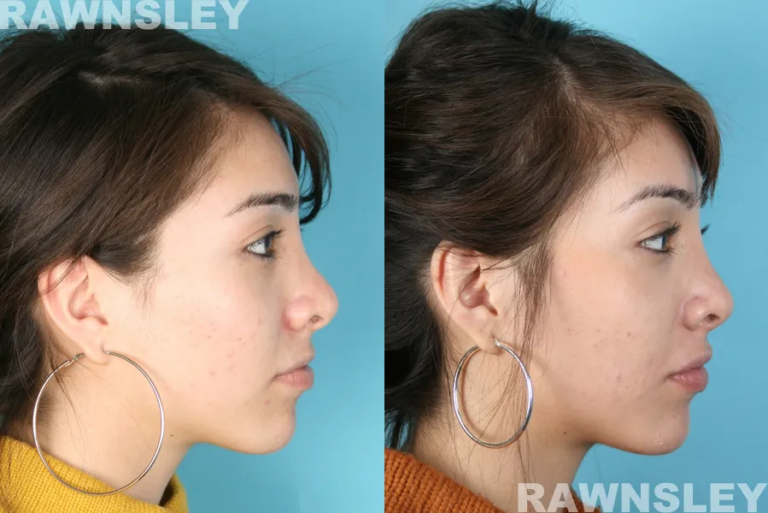
Although often overlooked, recognizing ethnic variations in skin anatomy is essential for anyone considering plastic surgery. Different ethnic groups display unique characteristics in skin structure, such as pigmentation, thickness, and elasticity. For instance, darker skin often has more melanin, providing some natural protection against UV radiation but also presenting a higher risk of hyperpigmentation and keloid formation. Meanwhile, lighter skin may be more susceptible to sun damage and can show signs of aging differently. Understanding these nuances helps tailor surgical techniques and post-operative care to minimize complications. By considering these variations, you can guarantee better outcomes and a more harmonious result specific to your skin type and ethnic background. Always consult a qualified surgeon who recognizes these critical differences.
Influence of Ethnicity on Surgical Outcomes
Ethnicity can considerably affect surgical outcomes, influencing everything from healing times to aesthetic results. Your skin type, healing response, and even your body’s metabolism can vary according to your ethnic background. For instance, darker skin might be prone to hyperpigmentation after surgery, while certain ethnic groups may experience different rates of scarring. The desired results can also differ—what’s considered attractive varies culturally, affecting your satisfaction with the surgery.
Surgeons need to understand these nuances to tailor their approach effectively. They must consider your unique characteristics during surgery planning and execution, ensuring the best possible result. By acknowledging these factors, you can achieve outcomes that align with your expectations and enhance your overall satisfaction with the procedure.
Culturally Competent Patient Care
Understanding cultural nuances is vital for providing effective patient care in plastic surgery. When you engage with patients from diverse backgrounds, take the time to listen and learn about their cultural beliefs, values, and preferences. This approach fosters trust and open communication, helping you better understand their expectations and concerns regarding surgical outcomes. You should also be mindful of language barriers, utilizing interpreters if needed, to guarantee clear communication.
Additionally, respect and acknowledgment of cultural practices play an important role in building rapport. By recognizing the influence of ethnicity on beauty standards, you can tailor your consultations and recommendations accordingly. This cultural competence not only enhances patient satisfaction but also improves overall treatment adherence and results.
Ethical Considerations in Diverse Populations
When providing care to diverse populations, it is crucial to navigate the ethical complexities that arise from differing cultural norms and values. You must consider how cultural beliefs influence patients' perceptions of beauty and health. Informed consent becomes critical; guarantee patients fully understand procedures and their implications, especially when cultural factors shape their expectations. Additionally, recognize potential power imbalances in doctor-patient relationships. It is important to listen actively and show respect for individual beliefs while also maintaining professional integrity. Avoid making assumptions based on stereotypes, and engage in open dialogues that foster trust. Creating an inclusive environment where diverse voices are heard not only enhances patient satisfaction but also upholds ethical standards in plastic surgery practice.